
For commercial property owners, maintaining a durable and cost-effective roofing system is critical to protecting assets, operations, and long-term building value. Two essential solutions that address different stages of a roof’s life cycle are fluid applied roof coatings in NE and commercial roofing replacement. Understanding how these options work—and when to choose each—helps building owners make informed, strategic decisions.
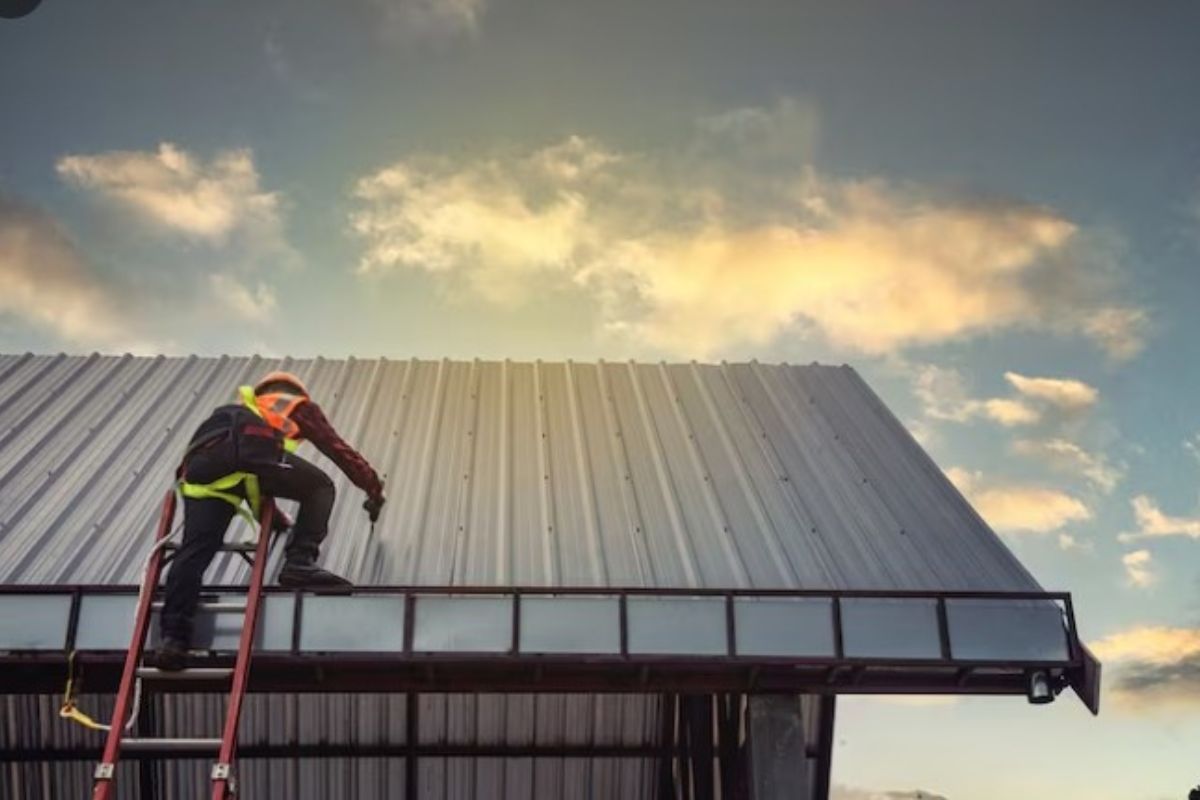
Fluid applied roof coatings in NE are designed to restore and protect existing commercial roofing systems. These coatings are applied as a liquid and cure into a seamless, fully adhered membrane. Because there are no seams or fasteners, fluid applied roof coatings provide excellent waterproofing and leak resistance. They are commonly used on flat and low-slope commercial roofs, especially where aging materials show surface wear but the underlying structure remains sound.
One of the key benefits of fluid applied roof coatings is their ability to extend roof life without the disruption and cost of a full replacement. In Nebraska’s variable climate—where roofs are exposed to intense sun, heavy rain, wind, and seasonal temperature shifts—coatings help protect against UV degradation, moisture penetration, and thermal stress. Many fluid applied roof coatings also improve reflectivity, which can reduce heat absorption and lower cooling costs during warmer months.
From an operational standpoint, fluid applied roof coatings are often faster to install than replacement systems. This minimizes downtime for businesses and reduces material waste, making coatings a practical and sustainable roofing solution. For property owners asking, “Can my roof be restored instead of replaced?”—a professional roof evaluation often reveals that fluid applied roof coatings are a reliable option when the roof structure is still in good condition.
However, not every roof can be restored indefinitely. This is where commercial roofing replacement becomes necessary. Commercial roofing replacement involves removing the existing roof system and installing a new, code-compliant roofing assembly. Replacement is typically required when a roof has widespread water damage, structural deterioration, repeated leak failures, or has exceeded its service life.
A properly planned commercial roofing replacement provides long-term performance, safety, and compliance with modern building standards. New roofing systems offer improved materials, enhanced insulation options, and better resistance to weather-related damage. While replacement represents a larger upfront investment, it eliminates ongoing repair costs and reduces the risk of unexpected failures that can disrupt business operations.
Choosing between fluid applied roof coatings in NE and commercial roofing replacement depends on several factors, including roof age, condition, budget, and long-term property goals. In many cases, coatings serve as a proactive solution that delays the need for replacement by several years. In other situations, replacement is the most cost-effective and reliable path forward, especially when structural integrity is compromised.
A professional roofing assessment is essential for determining the right solution. Experienced commercial roofing specialists evaluate membrane condition, insulation performance, drainage systems, and underlying substrates before recommending coatings or replacement. This approach ensures that building owners receive a solution aligned with both immediate needs and long-term performance expectations.
In summary, fluid applied roof coatings in NE and commercial roofing replacement are not competing options but complementary strategies. Coatings offer restoration, protection, and efficiency when a roof is still viable, while replacement provides a fresh start when existing systems can no longer perform reliably. By understanding both options, commercial property owners can protect their investment, control costs, and ensure dependable roofing performance for years to come.